Your AI Avatar Looks Human. Under EU Article 50, That’s the Problem.
Article 50 is live. If your avatar talks, looks real, or could pass as a person, the EU expects you to say so—out loud. Here’s the founder’s version of disclosure, deepfake labels, and what still isn’t optional.
Your avatar’s best feature just became a compliance problem. The smoother the lip sync, the warmer the voice, the more “present” the face—the harder it is to pretend users somehow “just know” they’re talking to AI. Article 50 of the EU AI Act started applying on 2 August 2026, and it targets exactly that gray zone: machines that feel human.
This is not a lawyer’s tour of the whole AI Act. It’s the product version for avatar and digital twin teams: what you must tell people, when synthetic media needs a human-readable label vs a machine-readable mark, who owns the duty in a B2B twin stack, and a checklist you can run against a live conversational face—without ripping up your architecture.
Article 50 Isn’t “High-Risk AI.” It’s the “Stop Faking Humans” Chapter
Applies from
2 Aug 2026
Art. 50(2) grace
to 2 Dec 2026*
Interaction rule
Art. 50(1)
Deepfake labels
Art. 50(4)
Article 50 is the AI Act’s transparency chapter. Not the full high-risk regime. The job is simpler and sharper: stop people from being tricked into thinking a machine is a human, or that synthetic media is authentic footage, when that matters.
For providers, two duties dominate avatar products. Under Article 50(1), AI systems that interact directly with people must be designed so users know they’re interacting with AI—unless that fact is obvious to a reasonably well-informed person. The Commission’s FAQs explicitly name chatbots, AI agents, and avatars. Under Article 50(2), providers of systems that generate synthetic audio, image, video, or text must mark those outputs in a machine-readable way so they can be detected as AI-generated or manipulated.
For deployers, Article 50(3) covers emotion recognition and biometric categorisation disclosures. Article 50(4) requires clear, perceivable labeling of deepfakes—and of certain AI-generated text published on public-interest topics without human review. Deepfake disclosure has to hit a person at first exposure, with labels they can see or hear. A sneaky watermark alone does not count.
Key features
- Art. 50(1): tell people they are talking to AI (unless obvious)
- Art. 50(2): machine-readable marks on synthetic outputs
- Art. 50(3): disclose emotion recognition / biometric categorisation use
- Art. 50(4): human-perceivable deepfake (and some public-interest text) labels
August Was the Cliff. December Is a Tiny Escape Hatch—Not a Free Year
Art. 50 live
2 Aug 2026
Marking grace end
2 Dec 2026
Retroactive labels
Not required
Deployer grace
None for deepfakes
According to the European Commission’s digital-strategy FAQs and the AI Act Service Desk timeline, Article 50 transparency obligations apply from 2 August 2026. From that date, providers and deployers must meet the duties in that article—and national market surveillance authorities can enforce them.
There is one narrow grace period worth memorizing. Providers of AI systems that were already on the market before 2 August 2026 have until 2 December 2026 to comply with Article 50(2) marking and detection for synthetic content. That grace does not rewrite the whole article. Interaction disclosure (50(1)) and deployer deepfake labeling (50(4)) do not get the same December runway in the Commission’s FAQ.
Content generated before 2 August 2026 does not need retroactive labeling, though the Commission encourages it where possible. Shipping a new avatar into the EU after August? Treat August as your compliance date for interaction transparency. Treat December as a last chance only for pre-existing systems catching up on machine-readable marks—not a reason to skip the “this is AI” line on day one.
Key features
- 2 Aug 2026: Article 50 transparency rules apply
- 2 Dec 2026: Art. 50(2) transition for systems already on market before 2 Aug
- No mandatory retroactive labeling of pre-August outputs
- Do not assume every Art. 50 duty waits until December
Provider vs Deployer: Who Gets Blamed When the Twin Is Too Convincing
Confusion here causes bad product decisions. A provider develops an AI system and places it on the market or puts it into service under their own name. A deployer uses an AI system under their authority in a professional capacity. Personal, non-professional use is out of scope—but regular economic activity is not “personal.”
For a hosted conversational twin platform, you are often a provider for the avatar/interaction system your customers put in front of users. Your customer may also be a deployer when they publish a deepfake-style likeness, run emotion recognition, or push AI text on public-interest topics. White-label and agency setups need a written split: who shows the “you are talking to AI” notice, who owns deepfake labels on marketing clips, and who is on the hook if a likeness ships without consent.
Geography still matters. Providers outside the EU can be in scope when their system’s output is used in the EU. If EU users talk to your twin, plan for Article 50 even if your company is incorporated elsewhere.
Key features
- Provider: design interaction disclosure + synthetic marking into the product
- Deployer: human-facing deepfake / public-interest text labels at first exposure
- B2B: contract who shows which notice in the UI and in exported media
- Extra-EU providers can still be in scope when outputs are used in the EU
“It’s Obviously AI” Is the Escape Hatch Photoreal Twins Almost Never Get
The AI Act defines a deepfake as AI-generated or manipulated image, audio, or video that resembles existing persons, objects, places, entities, or events and would falsely appear authentic or truthful. Resemblance plus a false appearance of authenticity is the heart of it. A cartoon mascot nobody would mistake for a real person sits in a different risk posture than a photoreal twin of a CEO answering product questions.
Article 50(1)’s “unless it is obvious” exception is meant to be applied restrictively. A polished talking face with natural voice and lip sync is exactly the category where “obvious” is hardest to claim. Build for explicit disclosure: first-frame copy, persistent UI chrome, and voice prompts that say the person is interacting with an AI twin—not a live human.
Separately from the AI Act, likeness and photo rights still matter. Consent to train or display someone’s face, commercial use rights, and takedown paths are product requirements for any twin built from a real person’s photo. Article 50 does not replace portrait rights, GDPR, or platform policies. It stacks on top of them.
Key features
- Photoreal twins are the hard case for both deepfake labeling and “obvious AI”
- Disclose AI interaction at the start of the first interaction, clearly and accessibly
- Do not rely on watermarks alone for deployer deepfake duties
- Get likeness/photo consent before shipping a twin of a real person
The Ship-It Checklist: Disclosure That Survives a Real User Session
UI disclosure
First interaction
Machine marks
Art. 50(2)
Human labels
Deepfakes
Likeness
Consent first
Use this as a working list, not legal advice. Map every surface where a person meets your avatar: web widget, share link, meeting bot, recorded clip, social promo.
UI disclosure: show a clear, accessible notice that the user is interacting with an AI system from the first interaction. Prefer persistent indicators over a one-time modal people dismiss forever. If you sell B2B, give customers configurable disclosure text that still meets a minimum standard you control.
Synthetic marking: if you generate or manipulate audio, image, or video outputs, plan for effective, interoperable machine-readable marks and detectability under Article 50(2). The Commission points providers to the Code of Practice on transparency of AI-generated content as a way to demonstrate compliance with marking and related duties. Recorded exports and marketing clips need the same attention as live sessions.
Deepfake and marketing claims: if you publish photoreal avatar video that could look authentic, label it for humans at first exposure. Do not market a twin as an undisclosed stand-in for a real person. Separate consumer-facing twins from internal demos. Consumer surfaces need the strongest, simplest language.
Consent and data: document who consented to the likeness, for what uses, and how revocation works. Keep agent knowledge bases accurate so marketing claims about “talking to the founder” do not become misleading beyond the AI-disclosure problem.
Key features
- First-interaction + persistent “this is AI” disclosure in every consumer surface
- Machine-readable marks on generated audio/image/video where Art. 50(2) applies
- Human-perceivable deepfake labels on published photoreal media
- Written likeness consent and a clear B2B vs consumer disclosure matrix
- Marketing copy that never implies a live human is on the call
Presence Without Pretending: How Conversational Twins Should Play This
Product noteAi Twin is built as a conversational AI twin: a browser-rendered face and voice on top of an agent you already run. That product shape makes Article 50(1) feel natural rather than bolted on. The user is meant to know they are talking to an AI twin—not to believe a person is secretly on the other end of a video call.
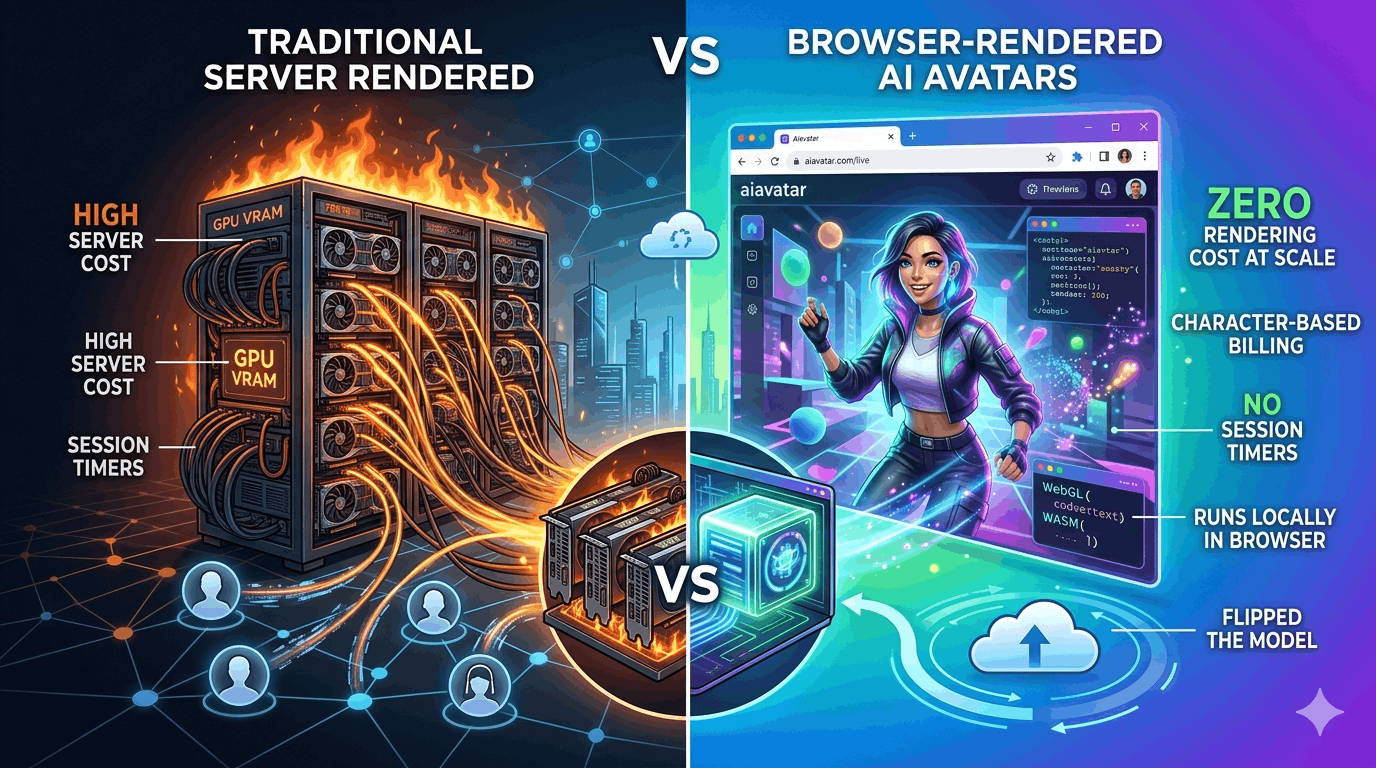
Compliance is still a shared job. If you deploy a photoreal twin of a real person into the EU, you own likeness consent, how you label published clips, and how your first-screen copy reads. If you are comparing architectures, our guide to browser-rendered AI avatars explains why the face layer can stay light while the agent does the work. For the category definition, start with what an AI twin is.
Transparency and usefulness travel together. Users who know they are talking to AI calibrate trust better. That is the same honesty that makes a twin useful for support, sales, and onboarding instead of a novelty deepfake. Ship the disclosure with the product—not after the first complaint.
Key features
- Conversational twins are explicitly AI interaction products under Art. 50 examples
- aitwin.me: photo twin + your agent, built for live talk rather than fake-human theater
- Pair disclosure UX with agent quality, presence without deception
- Read adjacent guides: What Is an AI Twin, Browser-Rendered AI Avatars
Bottom line: honesty is now a feature
Need the official FAQ?
EC digital-strategy: Transparency obligations under Article 50
Need the dates?
2 Aug 2026 apply; 2 Dec 2026 Art. 50(2) grace for pre-Aug systems
Need a twin definition?
What Is an AI Twin
Need the product?
Create a conversational twin on aitwin.me
Article 50 is in force. For AI avatar and digital twin businesses, the non-negotiables are clear AI-interaction disclosure, machine-readable marking of synthetic outputs where you are a provider under Article 50(2), and human-perceivable deepfake labels when you deploy photoreal media that could pass as authentic.
The only widely cited grace period is narrow: certain systems already on the market before 2 August 2026 have until 2 December 2026 for Article 50(2) marking and detection. Do not use December as an excuse to skip first-interaction disclosure.
Build twins that are useful and honest. That is good product and good Article 50 hygiene. If you want a conversational face on an agent without the GPU-farm tax, start at aitwin.me—and keep your disclosure copy as first-class as your lip sync.
Frequently Asked Questions
When did EU AI Act Article 50 start to apply?
Article 50 transparency obligations apply from 2 August 2026, according to the European Commission’s Article 50 FAQ and the AI Act Service Desk timeline.
Is there a grace period for Article 50?
A limited grace period applies only to the Article 50(2) marking and detection duty for AI systems placed on the market before 2 August 2026. Those providers must comply with that marking duty from 2 December 2026. It is not a blanket delay for all of Article 50.
Do AI avatars need to disclose that users are talking to AI?
Yes in the typical case. Article 50(1) requires providers of AI systems that interact directly with people to inform them of the AI interaction, unless it is obvious. Commission materials list avatars among example interaction systems, and photoreal twins should not lean on the “obvious” exception.
What is the difference between machine-readable marks and deepfake labels?
Providers mark synthetic outputs so detection tools can identify AI-generated or manipulated content (Article 50(2)). Deployers must also disclose deepfakes in a clear, human-perceivable way at first exposure (Article 50(4)). A hidden watermark alone does not meet the deployer disclosure duty.
Does Article 50 replace consent for using someone’s likeness?
No. Article 50 is about transparency of AI interaction and synthetic content. Likeness rights, contract, and privacy rules still govern whether you may create and publish a twin of a real person.